Tag Archives: Horses

Introduction to Showing in SA ~ Bronwyn Pruett

Showing was traditionally the shop window for breeders of horses and ponies. They came to shows to select the horses with the best conformation, these would become the foundation of their breeding stock to enable the breeding of top horses and ponies for all disciplines.


The riding aspect of the show ring is traditionally formed around the British hunting scene. The show hunter shows qualities that were required of the horse who went hunting, good conformation, it should look like it is capable of hunting over various types of going all day. The hunter should have more substance than a hack with substantial bone and quality, it should be bold and display a steady and reliable temperament.

The show hack is the epitome of elegance. They should be comfortable to ride and well schooled. Originally you used your hack to ride around on in the park, talking to your friends, dressed in your best. The hack was a fashion statement. They should have impeccable manners, self carriage and be light and soft to ride with correct conformation emphasising quality and elegance. Their movement should be smooth and graceful.

The show riding horse falls between a hack and a hunter, showing quality, substance good bone, correct conformation, presence and true action with a long stride.

The working classes really test the horses obedience and skills of a rider – how many show jumpers can open and close a gate on horseback?! The working hunter tests the horses’ boldness over natural looking obstacles, their ability to gallop, as well as their obedience as they have to be able to stand still after their exciting jumping round.
To me, showing is an example of true ringcraft. Horses compete all together in one ring, which really tests their temperament. Riders can play to a horse’s strengths or weaknesses with experience. Turnout and care of the horse plays a vital part in preparation. Understanding of conformation, movement, and schooling for manner is essential. It teaches young riders sportsmanship from an early age, as they compete against equally talented riders and ponies. And at the end of the day, no matter how well you tried, anything can go right or wrong and the judge’s decision is final! That, and each judge often has different impressions and preferences. It integrates so many aspects of riding, testing riders’ ability to show their horse’s true potential.

Waterside Winter Halo, champion purebred welsh sec B youngstock at Horse of the Year 2016

Waterside Winter Halo, champion purebred welsh sec B youngstock at Horse of the Year 2016


Best of all, showing provides a place for the very young riders with lead rein and first ridden. Children as young as 4 may compete on-lead, even when they have barely learned to post the trot! The first ridden classes are fantastic for children just learning to ride on their own as ponies walk and trot around the judge and are never asked to canter all together (though children may canter if they would like to in their individual tests, which gives them an opportunity to safely gain confidence).

The showing community is one of the more friendly disciplines within the horse world. Many riders make friends for life here. I’ve personally seen my older pony riders and juniors giving advice and tips to younger newcomers, it really makes me proud of this discipline.


Bronwyn has been a rider, coach, and competitor for many years, as well as head trainer at the renown Waterside Stud based in Sunvalley, Gauteng and owned by Kirsty Loots. They have been breeder of pure- and part-bred Welsh ponies for children, and won many titles including the prestigious Horse Of The Year show in-hand as well as under-saddle.
Equine Heart Rate Monitor~ René van Son

A fit horse runs faster, jumps the last obstacles and has more power and stamina in a dressage test. But how to measure its fitness and progress?

 Instead of only observing a horse and guesstimating its condition, vets, trainers and owners can accurately measure the fitness status of the animal. By using a heart rate monitor and GPS, the measured heart rate (INPUT) and speed (OUTPUT) is displayed and registered. It gives you a tool to correctly determine the fitness of a horse and detect illnesses/injuries at an early stage.

Pacer EQ

Pacer EQ


Technology

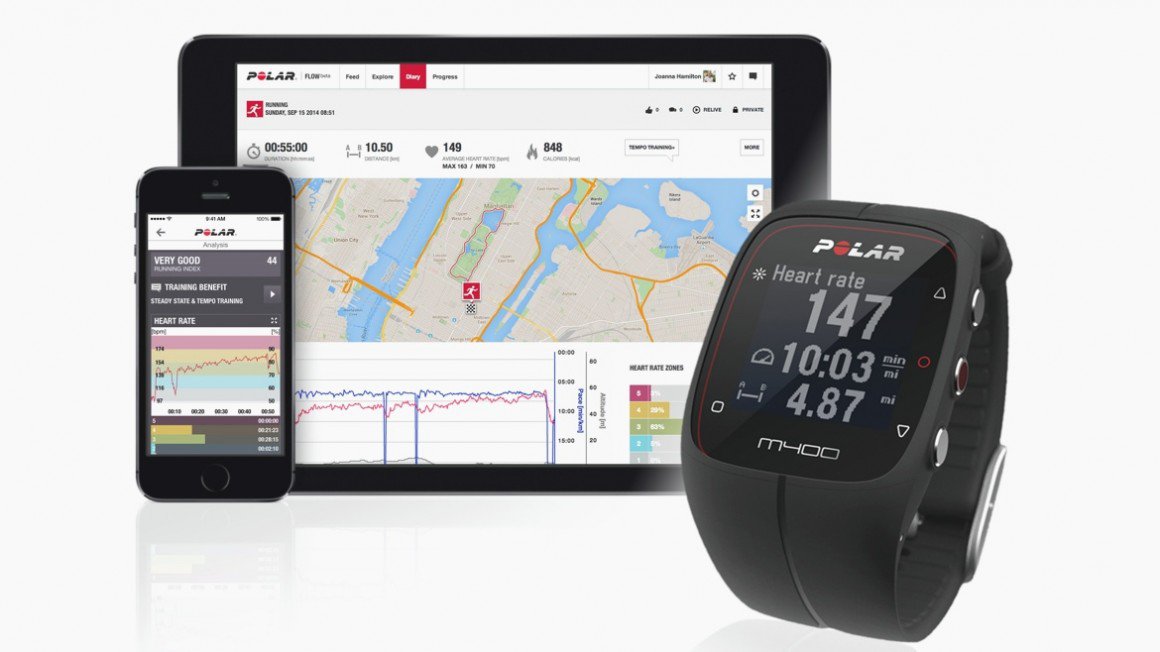
Instruct Audio developed the Pacer EQ, a tool based on an existing Polar product that can measure the equine maximum heart rate. The Pacer EQ uses a leather girth-sleeve (proudly made in SA) with heart rate sensors and a Bluetooth transmitter sending the signal to the Polar watch. It allows you to read live heart rate and speed during exercise (riding, lunging). The watch stores the information, which can be analysed on a cell phone app on the spot and with a web service on a computer. The rider/trainer/vet can also use the watch for personal training by adding a chest strap; the watch and transmitter are already in the package.

dscn6674

Polar Girth


Peak performance

When a Thoroughbred horse is in rest, its heart rate is between 28 and 36 beats per minute. Per minute 35 litres of oxygen-rich blood flows from heart to muscles. This rate can go up to 225-240 beats per minute at maximum exercise. The cardiac output will then be over 200 litres per minute!

screenshot-training-turf-2


A tired horse will lose his action and be prone to tendon, joint and ligament strain. When any horse’s heart rate exceeds 200 beats per minute and approaches peak heart rate, the horse will fatigue within 10 seconds. No matter how much it is pushed, the horse cannot give any more. You can feel the effect of a cut-off blood supply and high lactate on your own body when you sprint 150 metres.

Recovery time

The goal of fitness training is to maximise the time the heart will supply oxygen to the horse’s body, postpone the saturation of the blood with lactate and extend the duration of peak performance. The result is better stamina, higher power, and more speed.

The best method of measuring the fitness of a horse is by looking at the recovery time. The data from the Pacer EQ show you the time it takes for the heart rate to go down from 120 to 80 beats per minute. The shorter the recovery time, the fitter the horse.

Tailored training

Heart rate monitoring allows you to train your horse specifically for stamina, power bursts or speed. The basis for quick improvement of overall fitness is interval training. To get a reasonable fit recreational horse to a competition level of fitness could take three months of training. This means that you have to plan 12 months ahead taking training periods, rest periods and major shows into account. For optimal fitness, you need three things: a sound horse, a HRM/GPS fitness monitoring system, and self-discipline to consistently measure and analyse fitness data.

To set up a training plan first consult your vet about:

  • the readiness of the horse for demanding training and;
  • if he or she can develop a training plan or has sources to use (books, internet, etc).


There are many equestrian websites advising on useful training programs. Before doing anything, remember that you and your vet know you horse best.


For further information about equine HRM and free articles, please contact René van Son of Instruct Audio on 072 578 5241 or rene@instructaudio.co.za. www.instructaudio.co.za


image001