
The Great Whip Debate – Ashleigh Hughes (Love Racing)
One of the most controversial subjects about horseracing is the use of the whip. It has become a topic full of “urban myths”, largely due to the fact that most outside observers are unaware of the strict rules governing the whipping of racehorses. Each international racing jurisdiction has its own set of rules pertaining to whip usage, but we will be discussing the National Horseracing Authority of South Africa’s rules, regulations and guidlines on the matter. The official rules are very strict and actively enforced, and the whip is referred to as a “crop”, in the NHA rule book. Each horse is thoroughly checked, by two vets after every race, to ascertain if a jockey has caused welts or wheals, or other similar injury, to the horse with his crop.
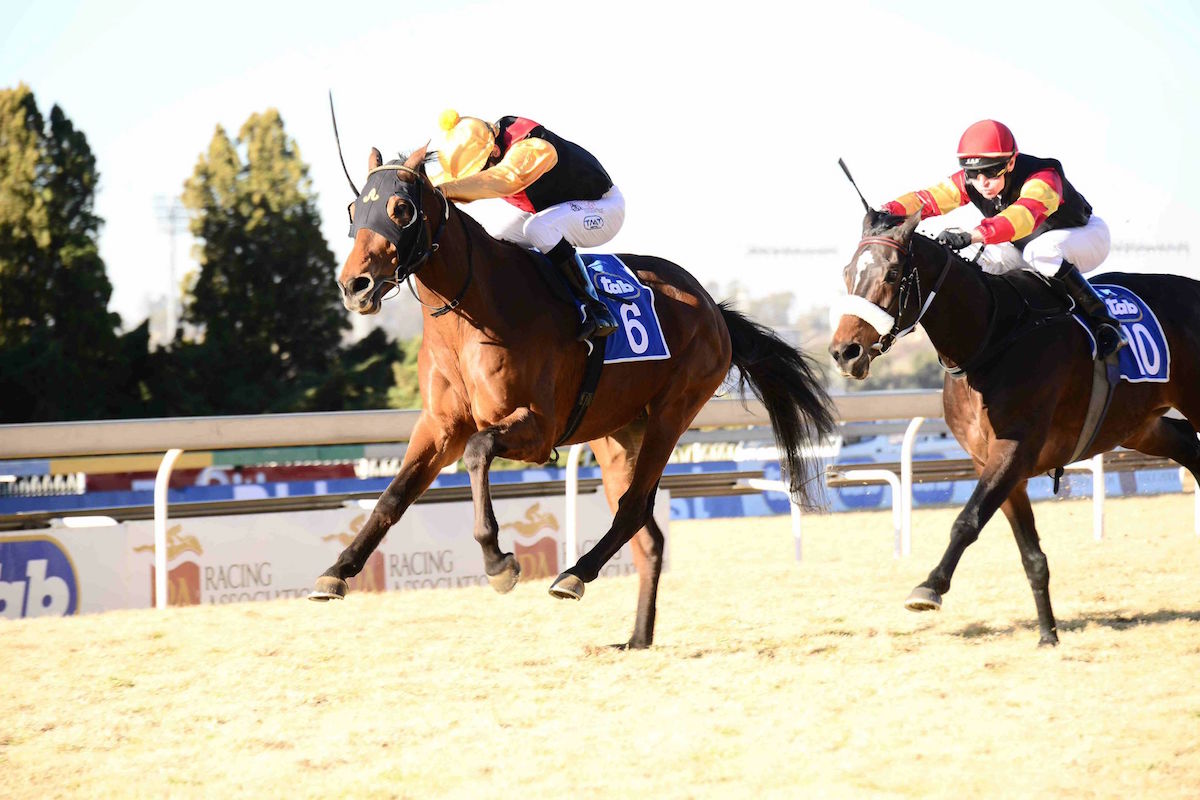
Jockeys showing the whip- Photo Courtesy of JC Photo Graphics
In recent times, the international trend has been for racing authorities to adopt the cushioned whip as the standard. The “AirCush” was developed in the mid 90’s in the UK, as a response to pressure by the RSPCA, to make the whip more humane and less painful when used in a race. The revolutionary new whip had an air filled pocket as a “flap”, which extended halfway up the shaft, and absorbed and dissipated the shock of the whip on the horse’s skin. This was adequately demonstrated when the developers hit a pane of glass with one of the old traditional racing whips, and the glass shattered immediately. The new design cushioned whip was used to strike a similar glass pane several times, and the glass remained intact. The British Horseracing Authorities needed no more than that glass pane test to make the new popper whips compulsory in all races, in 2007. Ireland and South Africa followed suit shortly afterwards. Australia also adopted to cushioned whips in 2009. It was a huge revelation in the world of horseracing, and the jockeys all reported that the horses still responded equally well, if not better, than they did to the traditional unpadded whips. How then does the whip encourage the horse if it does not cause pain? The extra cushioning causes a loud popping, or cracking noise when it makes contact with the horse’s skin, which is where this whip gets its nickname – “the popper”. This loud noise seems to encourage the horse more than the actual action of being hit.
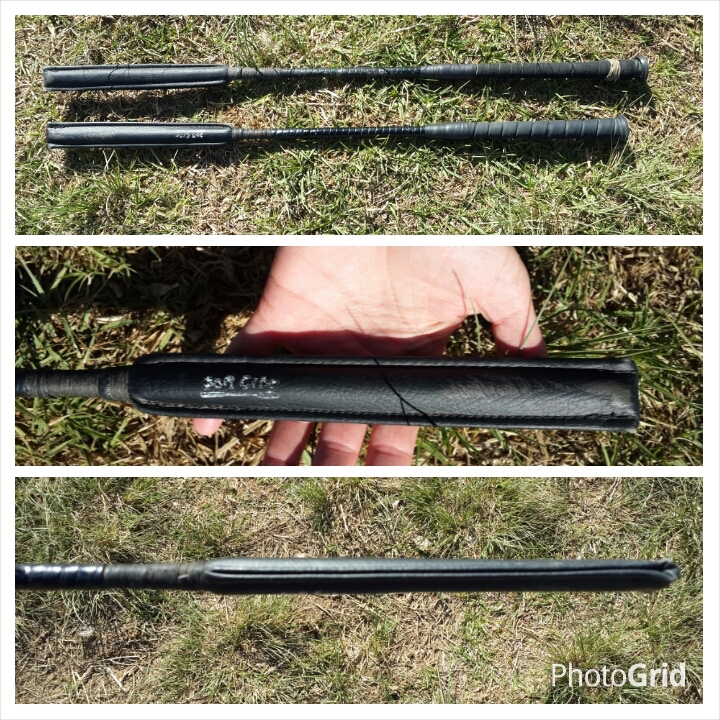
Cushion Whips
The NHA also has rules regarding the dimensions of a whip. It is required that the whips used for race riding, and track exercise, may not be longer than 68cm, have a diameter less than 1cm, and weigh more than 160g. The padded cushioned area may not be bound to the shaft less than 17cm from the end – that makes the padded flap just under one third the length of the entire whip. Since the cushioned whip became compulsory in the UK, many other companies have made similar whips, with the “ProCush” and “Soft Cush” being the most popular versions of the “popper”.
When watching a finish, a casual observer may think that a jockey is hitting the horse literally every single stride. But what is really happening, is the jockey is “showing” the whip to the horse – this means that he holds the whip forward near the horse’s eye, so it can see the whip. The horses respond well to this urging, and the jockeys are required to” show” the whip to the horse several times, and allow it to respond before they may hit the horse behind the saddle, when riding out the finish of a race. Any jockey will tell you that, in most cases, if they hit a horse too hard or too often, the horse will actually stop responding – there is a delicate balance between the whip being used as an encourager, and not a punisher. The NHA rules also state that the jockey may not hit the horse anywhere on its head or flank, or lift his arm higher than shoulder height to hit the horse behind the saddle. He may not leave marks or welts either. There is also a limit of the number of times a horse may be hit during a race, including not for more than three consecutive strides , and with 12 cameras filming the race from every direction, all of the footage is recorded and available for immediate playback should an official wish to review the whip usage.
If the vet discovers welts or wheals on a horse, the jockey will be called out into the horse holding area to see the horse in person, before he is fined for whip abuse. (Each welt garners a R1000 fine) All transgressors of whip rules have their names and penalties published on the NHA website. The vets, and race day officials, all have the authority to penalise any rider who they feel has abused the whip on a horse, even if it falls outside the scope of the official rules.
But why do we even need to use a whip on a racehorse? Surely they are competitive enough to run without them? Urging on those on, that are a little lazy, as most riders do in other equestrian sports, is not the only reason that a whip is needed. In fact, using the whip as a steering aid is equally as important. Remember that jockeys sit with very short stirrup irons, in a high lightseat position, which completely negates two of the most important “aids” that a normal equestrian rider relies on – the seat and the legs. The reins are also held in a “bridge” formation, which largely nullifies the steering, that one would normally have when riding astride. They also do not keep a contact with the horse’s mouth, through the bit, as they push out a horse during the high adrenaline finish of a race. So at a 65km/h gallop, the whip becomes the most powerful steering aid a jockey has at his disposal, especially when split second decisions have to be made to prevent accidents or interference, and to keep a straight track to the winning post. But if you watch carefully, you will see the more successful jockeys often “put their sticks away”, and ride out the last few metres of a tight, competitive finish, with just their “hands and heels”.
Dr Dale Wheeler is the Head Veterinary Surgeon for the NHA, and he has a strong “pro-welfare” approach when it comes to his duties. Dr Wheeler spends much of his spare time doing pro bono veterinary work for the Highveld Horse Care Unit in Gauteng. When formulating the rules and guidelines, he makes sure that the horse’s wellbeing is the main directive at all times. The rules are under constant scrutiny, and amendments are made when necessary, from time to time.
*The “whip rules”, in their entirety, can be found on the NHA website, both under the “Welfare” tab, and in the official rules at NHRA RULES


