
Tips From the Coaches ~ Mandy Rapson
South Africa is proud to boast winning consecutive World Cups in both 2015 and 2011. Our opponents were teams from England, New Zealand, Australia, Ireland, Zambia, Zimbabwe and the United States. Although South Africa is home to the best players in the world, South Africa as an international side were not always the glory team.
We approached some of South Africa’s best known coaching names in polocrosse and asked them what they thought was the secret sauce to South Africa winning consecutive World Cups and this is what they said:
Bruce Maclarty, the coach of both these winning world cup teams said, “We listed the unique skills of each player on the team and worked on playing a more dynamic game based on tactic and skill.
“The ball did the moving,” said Caroline Minnaar, “and not the horses doing the running”. Tony Higgs said something similar, “We learnt how to make the ball work.”
It seems Bruce, and his World Cup team, used each player’s skill-set to their advantage so they were able to play games suited to the player’s abilities rather than have the players trying to adapt to the game. Essentially it comes down to preparation, strategy and playing to your strengths.
But for those of us who are starting out or wanting to improve our game, what can we learn from these coaching gurus?
- Get a good polocrosse horse
Both James and Bruce mentioned this without hesitation. An experienced horse makes all the difference to the speed at which you learn. In fact, as I have experienced in my own polocrosse life, the experienced horses will teach you a thing or two about the game.
- Learn from those who’ve been before you
Polocrosse has been played in South Africa for several generations and the spirit of the game is around senior players coaching and mentoring the up-and-comings. Bruce speaks about gleaning as much good advice as you can from your senior players and clubs when you are starting out.
- It’s all in the lineout.
When advancing your skills from beginner to intermediate,” James Hackland goes on to say, “probably the most important part of the game is the lineout. This is the source of about 90% of your ball (possession). You need to know the basic skills, what your ‘One’ must do, your ‘Two’ and ‘Three’.
Being competent to be able to train your horse to do exactly the right thing in the lineouts. As the ‘One, the horse must be able to drive around the front or turn out, and then the player must have the skills to be able to “pull” the ball or catch it. As a ‘Two’, same sort of thing, catching and pulling and getting a horse to stay in the lineout. ‘Two’ is a very important part of the lineout because the ball often goes down in the middle of the lineout. Practicing getting the ball out of a tussle on the ground. And then for the ‘Three’, if the umpire is throwing the ball out the back, train your horse to fly out the back of the lineout and hold its own.
- Back to basics, always
Caroline Minnaar advises, “Work on your stick work and your riding ability. This counts for players ranging from -2 to 10 handicap. Mistakes cost you the game.”
- It’s a team sport
But the additional element to this sport that is so different from any other horse sport, polo aside, is that it’s a team sport and team dynamics come into play too. Bruce says, it’s about finding players who are determined to succeed, and players who are willing to make the team look good, not just themselves.
In articles to come, we will unpack more about the different elements of polocrosse; individual, team, horse, stick, and give tips and tricks from the best to help you improve your game. Please feel free to submit any questions that you would like to have answered, or send us some of the training tips that have worked well for you.
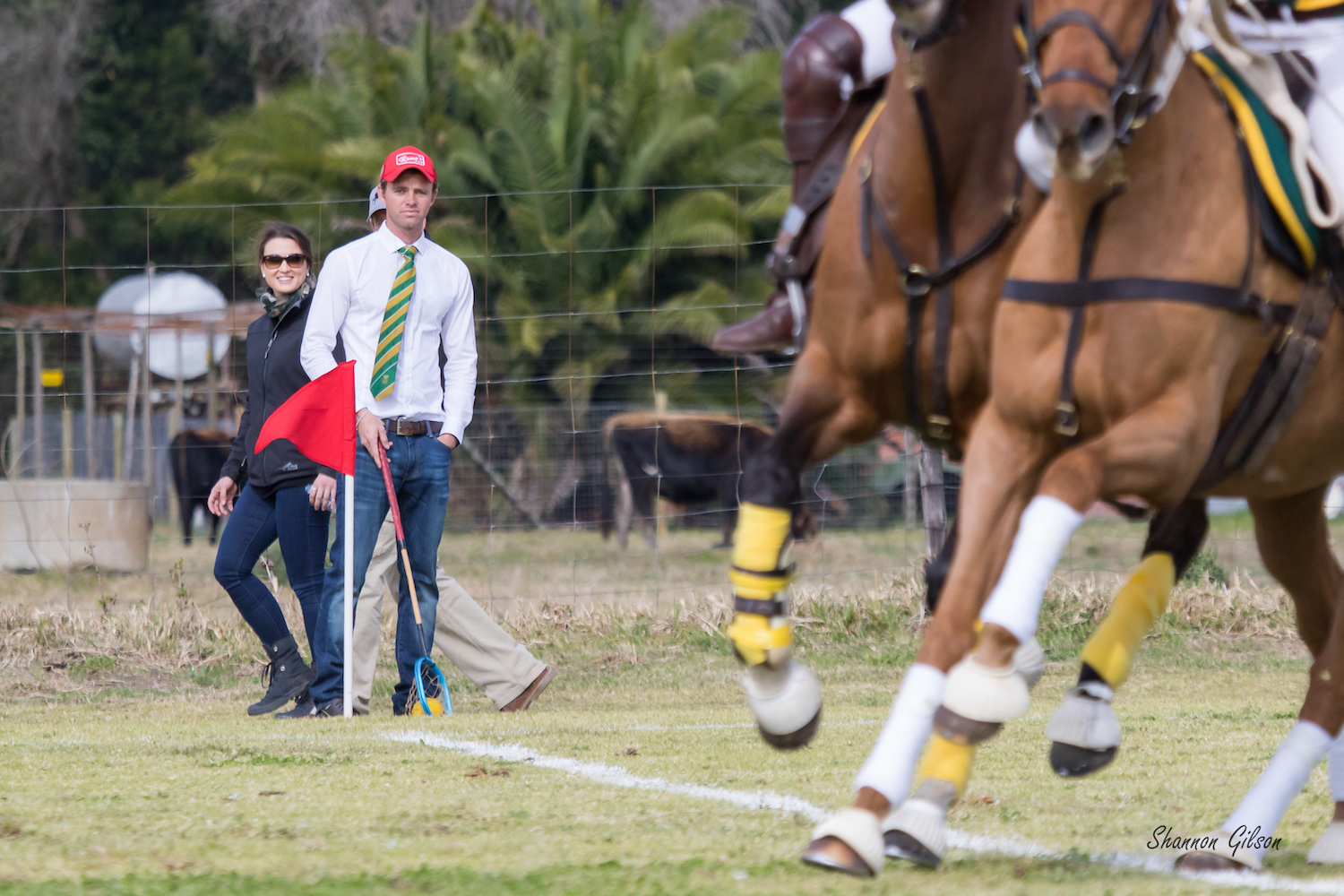
Photo: Graeme Mclarty
Photo Credit: Shannon Gilson (http://www.shannongilson.co.za/)
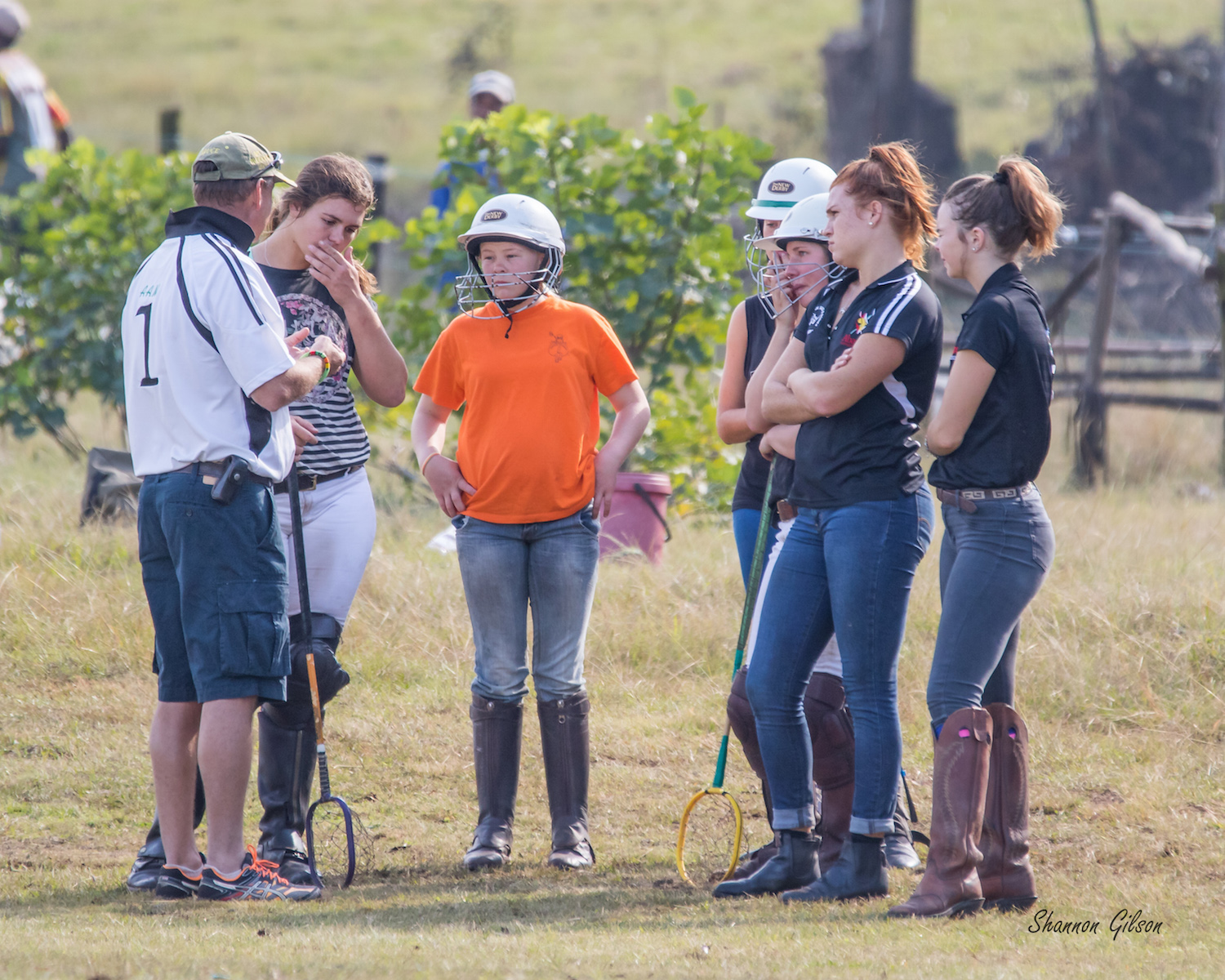 Photo: Bruce Mclarty
Photo Credit: Shannon Gilson (http://www.shannongilson.co.za/)


